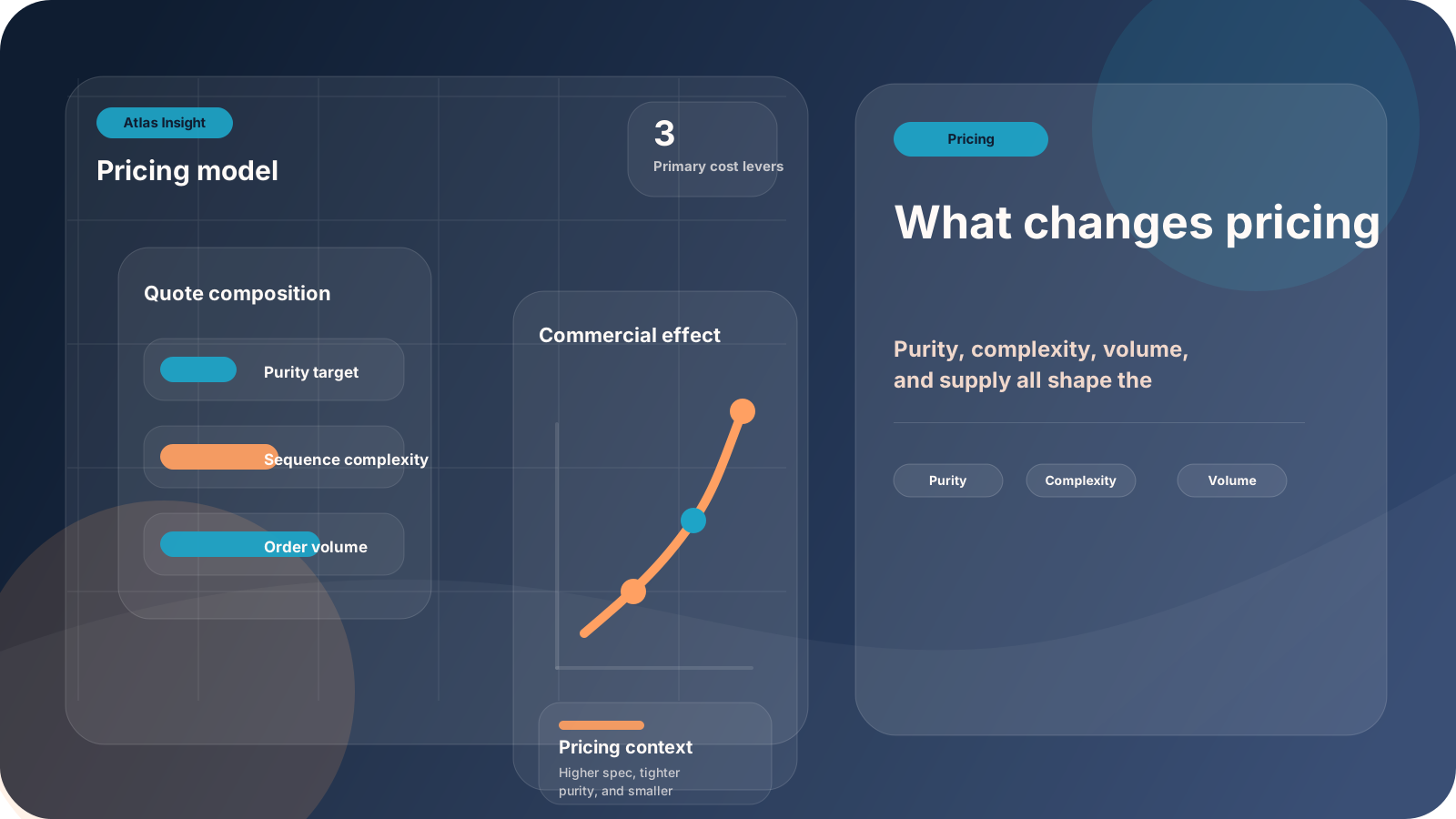
Pricing-focused guidance for buyers comparing MOQ, pack size, synthesis complexity, documentation needs, and quote-led commercial supply terms.
Peptide Pricing is organized as a practical buyer path, not a thin article archive. The goal is to help qualified B2B buyers move from research context into clearer commercial sourcing decisions with enough detail to compare products, documentation expectations, MOQ, lead time, and quote readiness. Atlas BioLabs uses this category to connect editorial guidance with product pages and category pages that buyers can review before opening a commercial conversation.
Readers in this section are often trying to understand what a professional supplier should provide, where documentation questions belong in the workflow, and how to avoid vague quote requests. Related products such as Semaglutide (demo/trending), Tirzepatide (demo/trending), Retatrutide give the category a concrete product path, while related product categories such as Metabolic Peptides and Trending & Emerging Peptides help buyers compare adjacent sourcing options without relying on filter-only URLs or disconnected product mentions.
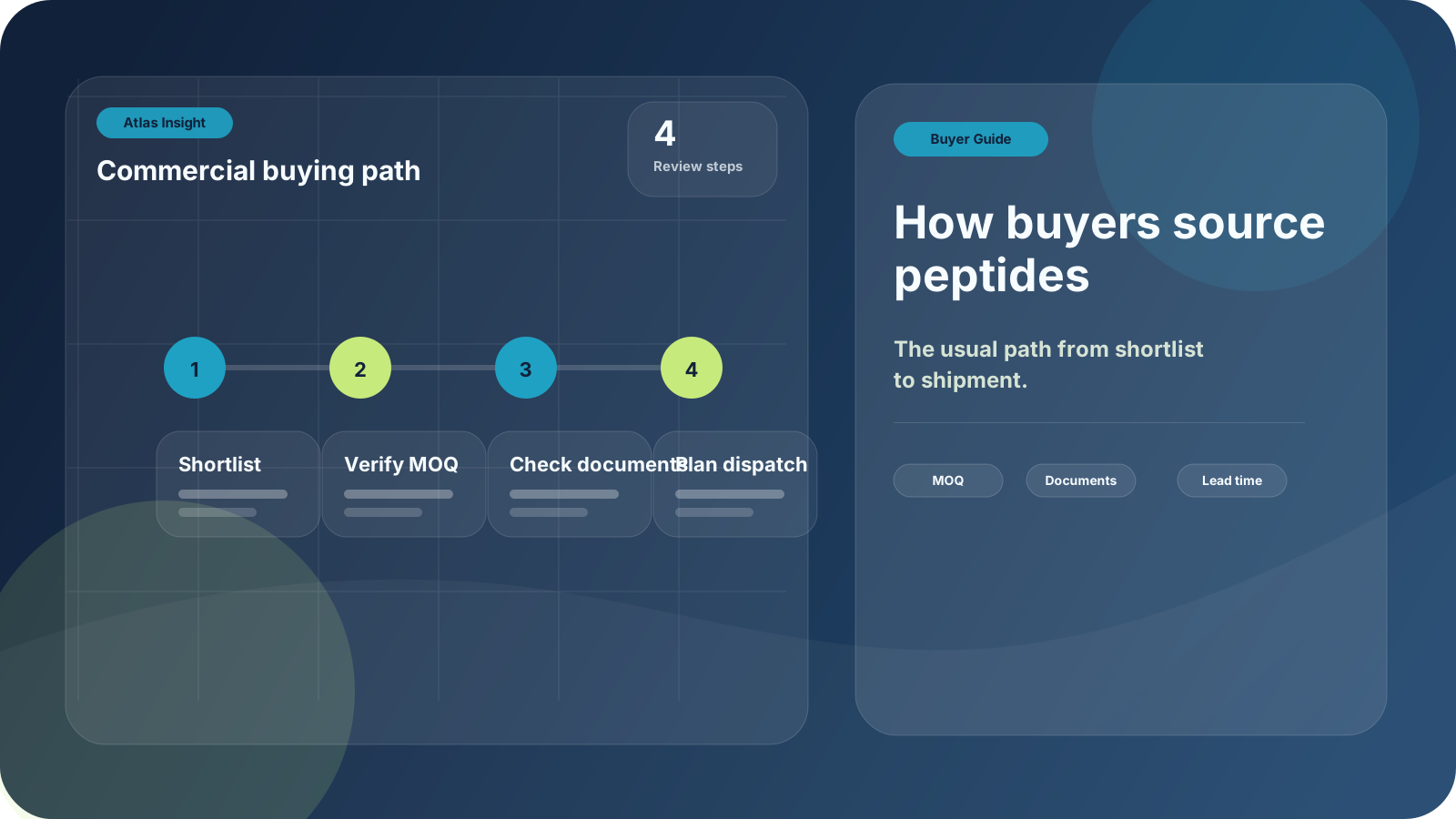
A strong buyer workflow usually starts with article review, moves into product comparison, and then becomes a quote request with specific quantity, pack size, destination, timeline, and document expectations. That is why this page links articles, products, product categories, and quote actions together. It supports procurement teams, formulation teams, and research supply buyers who need more than generic peptide content before they can make a sourcing decision.
Use this category as a working library. Start with the most relevant article, compare the linked product pages, review the documentation language, and keep notes on questions for the supplier. When the request is specific enough, Atlas BioLabs can help clarify MOQ, pack-size options, batch transparency support, lead-time assumptions, and documentation expectations before the buyer moves deeper into commercial follow-up.
The articles below also help buyers separate catalog-level education from batch-specific proof. Product pages can explain category fit and commercial positioning, while COA, HPLC/MS where applicable, SDS, appearance, packaging, storage, and lot-specific records should be discussed in the documentation workflow. That distinction keeps the sourcing process professional and reduces the risk of treating broad editorial context as a substitute for final batch review.
For teams comparing suppliers, this category can function as an internal checklist. Read one guide for background, open the related product pages, compare MOQ and pack-size assumptions, then prepare a concise request that explains the intended commercial context. Clearer requests help Atlas BioLabs respond with more useful quote guidance, cleaner documentation expectations, and better communication around supply timing.