
Atlas BioLabs logo
Atlas BioLabs
Back to Shop
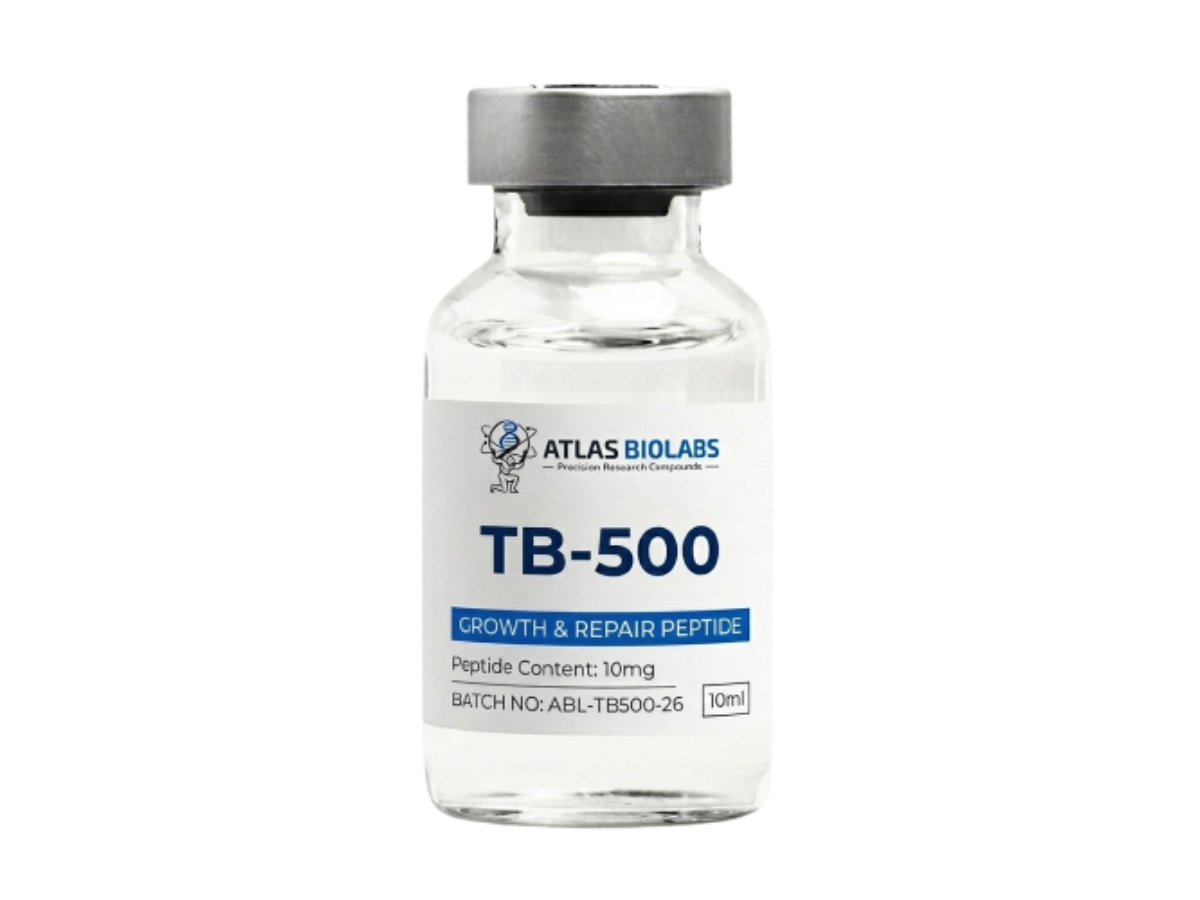
TB-500 (Thymosin Beta-4 fragment) product image
Growth Peptides

TB-500 (Thymosin Beta-4 fragment)

TB-500 is a synthetic fragment derived from thymosin beta-4 and is widely referenced in research settings exploring actin dynamics, cell migration, and tissue-response signaling.

Starting from

$90 USD

USD 90-600 by quote tier

Request Quote

Product Details

TB-500 is a synthetic fragment derived from thymosin beta-4 and is widely referenced in research settings exploring actin dynamics, cell migration, and tissue-response signaling. Within our growth peptides catalog, we position TB-500 (Thymosin Beta-4 fragment) around the functional roles of Repair-related peptide fragment, Actin-pathway research tool, Cellular migration support model so commercial buyers can compare the peptide against similar sourcing options.

This peptide is studied for interaction with cytoskeletal organization, angiogenesis-related signaling, and cellular movement pathways in controlled experimental systems. In formulation and laboratory sourcing workflows, it is commonly referenced for Laboratory research, Peptide development studies, Cell-response pathway models, which helps buyers align product context before requesting pricing or documentation.

Key characteristics include Fragment-based peptide format; High-interest research sequence; Supplied in purity-focused formats. We supply TB-500 (Thymosin Beta-4 fragment) in pack sizes such as 5 mg vial, 10 mg vial, Bulk API by quote, with MOQ 10 units, 5-7 business days lead times, Atlas Labs quality review, and documentation support. Typical release profile: >=99% by HPLC with lot traceability. COA package can be shared for approved inquiries.

Explore the Growth Peptides category page for comparable options, then submit a prefilled quote request to confirm sourcing, pricing, and lead time alignment.

Overview

TB-500 is a synthetic fragment derived from thymosin beta-4 and is widely referenced in research settings exploring actin dynamics, cell migration, and tissue-response signaling.

We share associated-use commercial sourcing context only. You remain responsible for local compliance and use requirements.

Functional Role

  • Repair-related peptide fragment
  • Actin-pathway research tool
  • Cellular migration support model

Mechanism Insight

This peptide is studied for interaction with cytoskeletal organization, angiogenesis-related signaling, and cellular movement pathways in controlled experimental systems.

Common Applications

  • Laboratory research
  • Peptide development studies
  • Cell-response pathway models

Key Characteristics

  • Fragment-based peptide format
  • High-interest research sequence
  • Supplied in purity-focused formats

MOQ and Lead Time

  • MOQ: 10 units
  • Lead time: 5-7 business days
  • Starting price: $90 USD
  • USD 90-600 by quote tier

Available Pack Sizes

  • 5 mg vial
  • 10 mg vial
  • Bulk API by quote

Purity / Documentation

  • Typical release profile: >=99% by HPLC with lot traceability.
  • COA package can be shared for approved inquiries.
  • Identity and release checks are logged prior to dispatch.
  • We use Atlas Labs to review incoming documentation checks and batch transparency records before commercial supply support.

Storage and Handling

  • Store sealed units at 2-8 C with moisture protection.
  • Use lot segregation for inventory and dispatch planning.
  • Follow release packet guidance for handling consistency.

Intended Buyer Type

  • Peptide storefront operators
  • Performance-category distributors
  • Commercial buyers managing monthly reorder cycles

Sourcing Support

  • MOQ starts suitable for pilot-to-scale buying
  • Lead-time support for recurring demand windows
  • Dedicated account response for cart and quote submissions
  • Direct quote support for U.S. and international accounts

Related Products

View all Growth Peptides

Growth Peptides

BPC-157

BPC-157 is a synthetic peptide derived from a naturally occurring protein sequence and is widely studied in laboratory settings for its interaction with cellular repair pathways.

Growth Peptides

KPV Peptide

KPV Peptide is a short tripeptide fragment often studied in laboratory environments focused on inflammatory signaling, epithelial interaction, and peptide-response modulation.

Growth Peptides

Thymosin Alpha-1

Thymosin Alpha-1 is a synthetic version of a naturally occurring thymic peptide used in research settings focused on immune signaling, cell communication, and peptide development.

Quick Quote

Request a Commercial Quote for This Product

Open Full Quote Form

Need a non-catalog variant?

Submit a custom peptide request

Share custom sequence, format, or documentation requirements for sourcing support.

Custom Peptide Request